
Virtual Escape, Real Consequences: A Systematic Review of Online Gaming Addiction and Its Association with Mental Health Outcomes in India
Arti Kaushik * and Pramjeet Singh
1Department of Psychology, Central University of Haryana, Mahendergarh, Haryana India .
The widespread availability of advanced technology has made online gaming accessible to a vast population. While gaming can offer recreational and social benefits, excessive use may lead to problematic patterns of behavior, including addiction. This systematic review aimed to synthesize and evaluate existing evidence on the association between online gaming addiction and mental health outcomes in the Indian context. The review was conducted in accordance with PRISMA guidelines. A comprehensive search was performed across PubMed, DOAJ, and Dimensions using keywords related to online gaming addiction and mental health. Studies published between January 2015 and March 2026, focusing on the Indian population and reporting quantitative empirical data, were included. The initial search identified 102 papers, and after a thorough screening process, 23 studies were selected for inclusion in the review. The findings indicated consistent associations between online gaming addiction and a range of adverse mental health issues, including depression, anxiety, stress, loneliness, aggression, sleep disturbances, impulsivity and poor psychological well-being. These findings highlight the need for increased awareness and relevant interventions based on a holistic approach to address the potential negative consequences of online gaming addiction in India.
Copy the following to cite this article:
Kaushik A, Singh P. Virtual Escape, Real Consequences: A Systematic Review of Online Gaming Addiction and Its Association with Mental Health Outcomes in India. Current Research Journal of Social Sciences and Humanities. 2026 9(1).
Copy the following to cite this URL:
Kaushik A, Singh P. Virtual Escape, Real Consequences: A Systematic Review of Online Gaming Addiction and Its Association with Mental Health Outcomes in India. Current Research Journal of Social Sciences and Humanities. 2026 9(1). Available here:https://bit.ly/43E0oKH
Citation Manager Review / Publish History

Introduction
Every human being has an inherent desire for play, and it has always been a vital element of a child's growth and development throughout history. In recent decades, the Internet has become integral to contemporary life, and with advancements in technology and communication, the landscape of human play has evolved from the physical to the virtual world. Regardless of age or gender, individuals engage in online games driven by a variety of reasons, including developmental stage, cognitive aptitude, the intrinsic appeal of challenges, social interactions, leisurely pursuits, and the resonance of game content with their interests (Barnett & Coulson, 2010; Liu et al., 2013). According to the 2025 survey report by the Entertainment Software Association (ESA), the average age of video game players is 41, with 51% identifying as male and 48% as female.
With the advancement and evolution in video games, gaming has progressed from typing-based computers in past decades to high-powered consoles that connect with millions of other players via the Internet and immerse users in virtual environments. There are different kinds of online gaming genres, including action, sports, strategy, role-playing, casual and social, persistent multiplayer universe games, etc. In the current gaming landscape, Massively Multiplayer Online Role-Playing Games (MMORPGs) dominate the online gaming world, captivating players with their dynamic and immersive gameplay. Games like World of Warcraft, PUBG, Fortnite Battle Royale, Apex Legends empower players to craft unique identities, navigate 3D realms and collaborate in realistic environments. These dynamic games offer diverse character choices, challenging missions, and social interactions, shaping player experiences through structural variables like consistency, physicality, avatar-based play, multi-level gameplay, perpetuity, and social interaction (Barnett & Coulson, 2010).
Engaging in games within a balanced and positive framework is widely acknowledged as a recreational pursuit, carrying inherent educational, social, and therapeutic advantages. In this context, games serve as more than mere pastimes, contributing to cognitive development, fostering social interactions, and providing a medium for stress relief and emotional well-being (Griffiths, 2019; Nuyens et al., 2019; Raith et al., 2021). Nevertheless, it is imperative to recognize the potential drawbacks associated with unregulated gaming, as it may give rise to addictive behavior. Excessive indulgence in gaming is implicated in adverse consequences that extend beyond mere entertainment, impacting physical health, mental well-being, and social functioning (Mamun & Griffiths, 2019; Männikkö et al., 2020; Mihara & Higuchi, 2017; Paulus et al., 2018; Pontes et al., 2019). Therefore, while recognizing the merits of gaming, it is essential to practice moderation to safeguard against the adverse consequences associated with prolonged and obsessive gameplay.
Prevalence of Online Gaming
The rapid expansion of online gaming has transformed it into a pervasive global activity, raising concerns regarding its potential to interfere with daily functioning. Recent estimates indicate a substantial increase in participation, with over 2.1 billion individuals engaging in online gaming worldwide and users spending an average of approximately 7 hours per week on gaming activities (Statista, 2025). Within this global context, India represents one of the most rapidly expanding gaming markets. According to the FICCI–EY report, the number of online gamers in India reached approximately 488 million in 2024, with projections suggesting an increase to around 520 million by 2025 (Ernst & Young, 2025). This growth is largely attributed to structural factors such as increased smartphone penetration, affordable internet access, and the integration of digital payment systems.
The continued growth of the gaming industry reflects increasing accessibility and engagement with online games. However, alongside these technological advancements, concerns have emerged regarding prolonged and unregulated gaming exposure and its association with problematic gaming behaviours and adverse mental health outcomes. Previous literature suggests that any activity capable of providing strong psychological reinforcement may become addictive in nature (Alavi et al., 2012). Consequently, excessive engagement in online gaming may contribute to addiction-like symptoms and other pathological issues.
Various longitudinal and cross-sectional epidemiological studies on Online Gaming Addiction (OGA) have reported prevalence rates ranging from 0.7%–15.6% (Feng et al., 2017), 0.3%–17.7% (Kim et al., 2022), 0.7%–27.5% (Mihara & Higuchi, 2017), and 0.6%–50.0% (Paulus et al., 2018). Indian studies included in this review similarly reported prevalence rates ranging from 0.8% to 40.3% (Singh et al., 2020a; Thakur et al., 2023). The substantial variation in prevalence rates across studies has been attributed to differences in study populations, diagnostic criteria, and assessment procedures. Moreover, several studies have reported that the structural characteristics of MMORPGs make them more addictive than other online gaming genres (Lemmens & Hendriks, 2016; Mamun & Griffiths, 2019; Paulus et al., 2018; Pv& Kanwar, 2024; Rehbein et al., 2021). A recent meta-analysis reported a pooled prevalence of OGA of 6.7%, while also highlighting the significant influence of varying diagnostic criteria and assessment scales on prevalence estimates (Zhou et al., 2024). These findings underscore the need for adopting standardized assessment methods to ensure accurate identification and guide effective public health interventions.
Online Gaming Addiction and its classification under DSM5 and ICD11
Traditional definitions of addiction typically include compulsive substance-seeking behavior characterized by tolerance, withdrawal symptoms, and persistent cravings. However, behavioral specialists diverge in their perspective, asserting that addiction can develop from any source that has the capacity to stimulate an individual, contrary to the common notion that it is limited to dependence on certain drugs and chemical substances. There is growing recognition that engagement in excessive play can give rise to a distinct set of adverse symptoms reminiscent of substance abuse (Kuss & Griffiths, 2012) or behavioral addictions like pathological gambling (Alavi et al., 2012). Excessive internet gaming appears to have neurological bases similar to those identified in substance use disorders, indicating shared underlying mechanisms between the two phenomena (Arima & Latino, 2023; Kuss, 2013; Weinstein &Lejoyeux, 2020).
Recognizing the recent conceptual and diagnostic advancements in the field, the “American Psychiatric Association” (APA) added “Internet Gaming Disorder” (IGD) to the fifth edition of the “Diagnostic and Statistical Manual of Mental Disorders” (DSM) as a tentative addictive disorder that needs further research. IGD is “a new form of behavioral addiction characterized as recurrent and persistent internet gaming that results in considerable impairment of psychosocial functioning" (American Psychiatric Association, 2013). The APA has also introduced a diagnostic framework defining IGD as “a condition characterized by disordered gaming behavior leading to significant clinical impairments over a period of 12 months”. This is indicated by the endorsement of five out of the following nine diagnostic criteria: “preoccupation with games, withdrawal symptoms, increased tolerance, loss of control and relapse, giving up other daily activities, continued excessive gaming, deceiving loved ones about the amount of gaming, using gaming as an escape or for mood modification, and experiencing related negative consequences in daily life functioning.” In a more recent development, further advancements in the field resulted in the formal recognition of “Gaming Disorder” (GD) as a behavioral addiction by the “World Health Organization” (WHO) in the eleventh revised edition of the “International Classification of Diseases” in May 2019 (Griffiths & Pontes, 2019; World Health Organization, 2022).
Aside from that, several studies, evaluations, and publications employ a variety of terminology to describe maladaptive or excessive gaming behaviours, including Online Gaming Addiction (Griffiths et al., 2022), Internet Gaming Addiction (Kuss, 2013), Internet Gaming Disorder (Lemmens & Hendriks, 2016), Problematic Gaming Behavior (Männikkö et al., 2020), Video Game Addiction (Griffiths & Pontes, 2019), and Problematic Online Gaming (Chandra et al., 2022). Although certain theoretical distinctions exist among these terms, they are frequently used interchangeably in the literature to describe problematic patterns of gaming. For the purpose of consistency, the present review primarily uses the term “Online Gaming Addiction (OGA)” as an umbrella term while also referring to “Internet Gaming Disorder (IGD)” and “Gaming Disorder (GD)” in the context of DSM-5 and ICD-11 classifications, respectively.
Risk Factors for Online Gaming Addiction in the Indian Context
In the Indian context, vulnerability to OGA appears to be influenced by an amalgamation of demographic, psychosocial, behavioural, and sociocultural factors. Several studies have identified male gender as a significant risk factor for problematic gaming behaviour (Patel et al., 2024; Savanthe&Savolu, 2019; Shah et al., 2023). Other demographic and contextual factors, including younger age, unemployment, and living away from home, have also been associated with greater susceptibility to OGA (Pv& Kanwar, 2024; Shah et al., 2023). Behavioural factors such as preference for MMORPGs, substance use, and poor academic performance have also been identified as potential risk factors for problematic gaming (Bansal & Kranti, 2022; Pv& Kanwar, 2024; Shah et al., 2023; Savanthe&Savolu, 2019; VM et al., 2024). In addition, psychosocial and familial factors, including poor self-esteem, peer influence, interpersonal conflicts, strained parental relationships, and nuclear family settings, may further increase the risk of OGA (Bansal & Kranti, 2022; Shah et al., 2023; Thakur et al., 2023). Collectively, these findings suggest that OGA is shaped not only by individual characteristics but also by broader social and contextual influences within the Indian sociocultural environment.
Aim and objective of the current study
With online gaming becoming a significant influence on players' personalities and behaviors, it's imperative to acknowledge the potential risks, including lifestyle disruptions and serious health consequences. This systematic review seeks to offer a thorough understanding of the impact of online gaming addiction on mental health within the Indian context. Despite the growing global discourse on the topic, a significant gap remains in understanding how these phenomena manifest specifically in India, given its unique socio-cultural and technological landscape. By synthesizing and critically evaluating available Indian studies, this review aims to address that gap, providing insights into the prevalence and psychological effects and contributing to culturally relevant strategies for prevention, assessment, and intervention.
Materials and Methods
The systematic review was carried out and reported following the PRISMA (Preferred Reporting Items for Systematic Reviews and Meta-Analyses) guidelines (Page et al., 2021). A comprehensive literature search was performed across three electronic databases: PubMed, DOAJ, and Dimensions. The search strategy included combinations of the following keywords ("online gaming addiction" OR "internet gaming addiction" OR "online gaming disorder" OR "internet gaming disorder" OR "internet gaming" OR "online gaming" OR "digital gaming" OR "problematic gaming behavior") AND ("mental health" OR "depression" OR "anxiety" OR "stress" OR "loneliness" OR "social isolation" OR "psychological well-being" OR "suicide" OR "cyber-harassment") AND ("Indian population" OR "Indian adults" OR "Indian adolescents" OR "Indian young adults" OR "India").
A systematic exclusion process was followed, whereby studies were initially reviewed based on their titles, keywords, and abstracts, followed by a comprehensive full-text assessment. Duplicate records were removed prior to screening. The inclusion criteria were as follows: (i) studies with quantitative empirical data; (ii) studies addressing the relationship between Internet or online gaming addiction and mental health outcomes; (iii) studies conducted within the Indian context; (iv) articles published between January 2015 and March 2026; and (v) peer-reviewed, full-text articles available in English. The exclusion criteria included: (i) studies focused on general technology use (including the Internet and social media) without specific reference to gaming; (ii) review articles, conference abstracts, and case studies; and (iii) studies primarily examining the impact on physical health or domains other than mental health.
Results
Figure 1 presents the PRISMA flow diagram summarizing the study selection process. A total of 102 records were identified through database searches across PubMed, DOAJ, and Dimensions. After the removal of 18 duplicate records, 84 studies remained for screening. During the initial screening of titles, keywords, and abstracts, 48 studies were excluded as they did not specifically focus on online gaming addiction. Subsequently, 5 studies were excluded due to the unavailability of their full-text versions. Of the 31 full-text articles assessed, 23 studies conducted in India met the inclusion criteria and were identified as suitable for the systematic review.
A comprehensive summary of the included studies is presented in Tables 1a and 1b. Table 1a outlines the main study characteristics, while Table 1b summarizes OGA prevalence and key mental health findings.
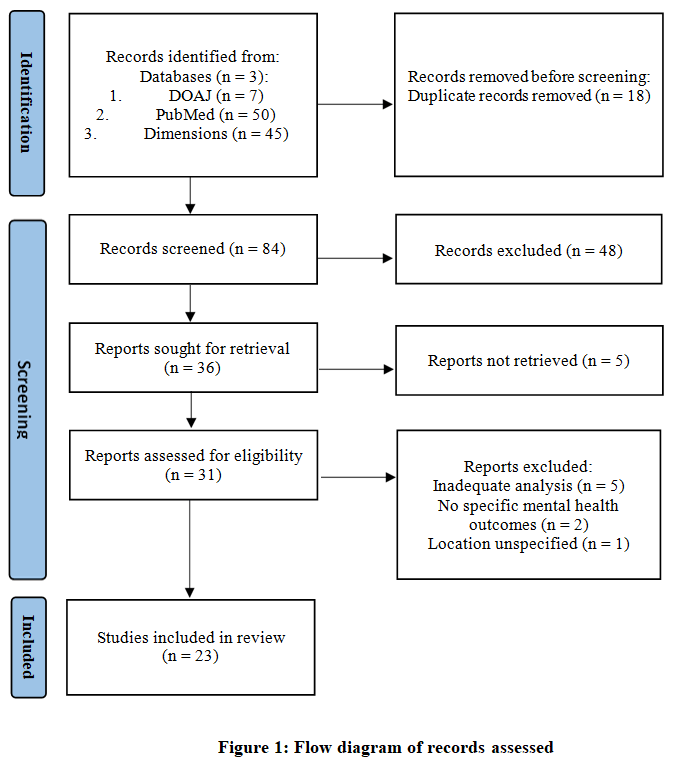 | Figure 1: Flow diagram of records assessed
|
Table 1a: Main characteristics of reviewed studies (N = 23)
Sr. No. | References | Variables | Location | Participants’ Characteristics | Study Design | OGA Tool |
1 | Borkar et al. (2026) | IA, IGD, Sleep Quality, Depression | Konkan Region | 402 medical college students (180 females and 222 males) | Mixed-method approach | “IGDS9-SF by Pontes and Griffiths (2015)” |
2 | Barot et al. (2025) | IGD, Depression, stress, Sleep quality | Ahmedabad | 2200 high school students (grades 9 to 12) | Correlational | “IGDS9-SF by Pontes and Griffiths (2015)” |
3 | Chakravarthy et al. (2025) | IGD, Sleep Quality | Tamil Nadu | 484 medical college students (236 males and 248 females) | Cross-sectional | “Internet Gaming Disorder Scale (Lemmens et al., 2015)” |
4 | Singh et al. (2025) | IGD, Decision-Making, Impulsivity, Sensation Seeking, Aggression | Chandigarh | 90 college-going students equally categorized in 3 groups: Normal, At-risk and Disordered gamers | Cross-sectional | “Internet Gaming Disorder Scale (Lemmens et al., 2015)” |
5 | Murugan et al. (2024) | IA, IGD, Cognitive Disengagement Syndrome | Gujarat | 303 medical students (67% male, 33% female); mean age = 20 years | Cross-sectional | “Internet Gaming Disorder Scale (Lemmens et al., 2015)” |
6 | Patel et al. (2024) | IGD, Anxiety, Depression | Gujarat and Himachal Pradesh | 845 medical students aged 17–25; 57% males | Cross-sectional | “IGDS9-SF by Pontes and Griffiths (2015)” |
7 | Pv& Kanwar (2024) | IGD, Psychosocial Impairment Anxiety, Depression | Mangalore, Karnataka | 160 adolescents (16–19 years); 80 with IGD and 80 without IGD; 65% males | Cross-sectional | “IGD-20 Test by Pontes et al. (2014)” |
8 | VM et al. (2024) | IGD, Depression, Anxiety | Tamil Nadu | 930 medical students (18-22 years); 63% were females | Cross-sectional | “IGDS9-SF by Pontes and Griffiths (2015)” |
9 | Rajan et al. (2024) | IGD, Depression, Anxiety | Salem, Tamil Nadu | 780 school-going children aged 8–12 years | Cross-sectional | “IGDS9-SF by Pontes and Griffiths (2015)” |
10 | Garg et al. (2023) | IGD, Sleep Quality, Perceived Stress, Suicidal Behavior | Haryana | 348 medical students (18–33 years) who played online games; 294 females and 54 males | Cross-sectional | “Gaming Disorder and Hazardous Gaming Scale (Balhara et al., 2020)” |
11 | Shah et al. (2023) | IGD, Depression, Anxiety | Bathinda, Punjab | 125 participants (82 males and 43 females) from general population | Cross-sectional | “Internet Gaming Disorder Scale (Lemmens et al., 2015)” |
12 | Thakur et al. (2023) | IGD, Emotional Symptoms, Conduct Issues, Self-esteem, Sensation-seeking | Bangalore | 707 female adolescent students (12–19 years) | Cross-sectional | “IGDS9-SF by Pontes and Griffiths (2015)” |
13 | Ansari et al. (2022) | IGD, Psychological Wellbeing | Anand, Gujarat | 239 college-going students; 50% non-gamers, 26% violent gamers, and 24% non-violent gamers | Cross-sectional | “IGDS9-SF by Pontes and Griffiths (2015)” |
14 | Bansal & Kranti (2022) | OGD, Self-esteem, Perceived Stress, Sleep Quality | Mumbai | 347 college students (18–25 years); final analysis included 184 online gamers | Cross-sectional | “IGDS9-SF by Pontes and Griffiths (2015)” |
15 | Chandra et al. (2022) | POG, Mental Well-Being, Depression | Rishikesh, Uttrakhand | 453 college-going students (18–24 years); 71% females; 73% from nuclear families | Cross-sectional | “POGQ-SF (Papay et al., 2013)” |
16 | Singh et al. (2021) | Perceived Stress, Coping Strategies, IGD | Across India | 1027 participants between 13 and 60 years of age; 42% males and 58% females | Cross-sectional | “Internet Gaming Disorder Scale by Lemmens et al. (2015)” |
17 | Mukherjee et al. (2021) | IGA, Depression, Anxiety, Stress, Social Relationship | Kolkata | 150 gamers and 150 non-gamers (aged 15-24 years) | Cross-sectional | “Gaming Addiction Questionnaire (D’Souza et al., 2019)” |
18 | Singh et al. (2020a) | OGA, Emotional Symptoms, Conduct Issues, Hyperactivity, Peer Problems | Assam | 409 students (Classes 8–10); 64% males, 68% from urban areas, and 73% from nuclear families | Cross-sectional | “Online Gaming Addiction Scale (Lemmens et al., 2009)” |
19 | Bicholkar et al. (2019) | POG, Psychological Well-being, Self-Esteem, Depression | Goa | 250 undergraduate students and interns (17–27 years); 57% females | Cross-sectional | “POGQ-SF (Papay et al., 2013)” |
20 | Kochuchakkalackal& Reyes (2019) | IGD, Psychological Well-being | Across India | 456 adolescent students (13-18 years); 313 males and 143 females | Correlational | “IGDS9-SF by Pontes and Griffiths (2015)” |
21 | Savanthe&Savolu (2019) | IGD,Socio-behavioral Changes | Andhra Pradesh | 200 1st and 2nd year medical students (17-22 years); 102 males and 98 females | Cross-sectional | “IGD-20 Test (Pontes et al., 2014)” |
22 | Singh et al. (2019) | Internet Gaming Disorder, Depression, Socio-demographic Characteristics | Across India | 306 medical college students (227 UG students and 79 PG students); 143 males and 163 females | Cross-sectional | “IGDS9-SF by Pontes and Griffiths (2015)” |
23 | Sharma et al. (2019) | Internet Gaming Disorder, Depression, Stress, Anxiety | Bangalore | 60 users (16–18 years); 58 males and 2 females; screened using the IGD test | Correlational | “IGD-20 Test (Pontes et al., 2014)” |
Table 1b: Key mental health findings and OGA prevalence (N = 23)
Sr. No. | References | Prevalence* | Important Findings |
1 | Borkar et al. (2026) | 20.89% | IGD showed a positive association with depression and insomnia (p<.01); individuals with IGD had higher levels of both compared to non-IGD participants |
2 | Barot et al. (2025) | 15.8% | IGD was associated with higher perceived stress, insomnia severity, and symptoms of anxiety and depression (p<.01) |
3 | Chakravarthy et al. (2025) | 33.1% | IGD was associated with poor sleep quality (p < .01); 87.5% of addicted gamers reported poor sleep, and gaming addiction negatively predicted sleep quality |
4 | Singh et al. (2025) | Not mentioned | Disordered gamers had lower self-esteem and higher motor impulsivity and boredom susceptibility (p<.01) than other two groups. IGD severity was positively correlated with impulsivity and boredom and negatively with self-esteem |
5 | Murugan et al. (2024) | 20% | Students with IGD showed significantly higher cognitive disengagement, daydreaming, and sluggishness scores than non-IGD participants (p<.01), all positively correlated with IGD severity |
6 | Patel et al. (2024) | 4.2% | IGD was strongly associated (p<.01) with various mental health issues, such as depression, negative affectivity, and disturbances in sleeping patterns |
7 | Pv& Kanwar (2024) | 1.14% | Adolescents with IGD showed higher anxiety, depression, and psychosocial impairment compared to their non-IGD peers, all at p<.05. Most individuals with gaming disorder resided in PG/Hostel settings and preferred MMORPGs |
8 | VM et al. (2024) | 9.7% | IGD was significantly associated (p<.05) with moderate to severe depression and all anxiety levels. Sleep problems and neck/back pain also emerged as key predictors of gaming disorder |
9 | Rajan et al. (2024) | 1.2% | IGD showed a strong positive association (p<.01) with anxiety and depression scores, with a bidirectional relationship |
10 | Garg et al. (2023) | 15.23% | IGD scores were positively correlated with suicidal behavior, perceived stress, and sleep quality scores (p<.01). Sleep quality inversely mediated (p<.01) in the relationship between IGD and both perceived stress and suicidal behavior |
11 | Shah et al. (2023) | 16.8% | IGD was significantly associated with anxiety and depression scores (p<.01) |
12 | Thakur et al. (2023) | 0.8% | IGD scores were positively correlated with emotional symptoms, hyperactivity, conduct problems, peer problems, and sensation seeking but negatively correlated with prosocial behavior and self-esteem (p<.01) |
13 | Ansari et al. (2022) | 0.8% | Higher IGD scores were significantly associated with lower psychological well-being and increased gaming frequency, with no significant difference in well-being between gamers and non-gamers |
14 | Bansal & Kranti (2022) | 4.6% | IGD was significantly associated with low self-esteem, high stress levels, and poor sleep quality (p<.01) |
15 | Chandra et al. (2022) | 27.4% | POGB was significantly (p<.01) associated with poor mental well-being and moderate to severe depressive symptoms. Participants with these symptoms had about 3 times higher odds of POGB |
16 | Singh et al. (2021) | Not mentioned | IGD was positively correlated (p<.01) with perceived stress and maladaptive coping strategies, showing poor psychological adjustment |
17 | Mukherjee et al. (2021) | Not mentioned | Gamers differed from non-gamers in psychological health and interpersonal relationships; gaming addiction traits were associated with depression, anxiety, stress, and parent–peer attachment |
18 | Singh et al. (2020a) | 40.3% | Online gaming behavior was positively associated with emotional, conduct, hyperactivity, and peer problems (p < .01) |
19 | Bicholkar et al. (2019) | 8% | Students with problematic online gaming reported lower well-being (p < .05) and self-esteem (p < .01), and higher depression scores (p < .01) |
20 | Kochuchakkalackal& Reyes (2019) | Not mentioned | A significant negative relationship between IGD and each dimension of psychological well-being (p<.01) |
21 | Savanthe&Savolu (2019) | 10% | Disordered gaming was associated with aggressiveness, irritability, altered eating patterns, and higher prevalence of headaches, watery eyes, and fatigue |
22 | Singh et al. (2019) | 3.6% | Male gender, living alone, and greater daily online time were associated with higher IGD scores; IGD severity correlated positively with depressive symptoms (p < .01) |
23 | Sharma et al. (2019) | Not mentioned | Internet gaming was positively associated with depression (p<.05), anxiety (p<.01), and stress (p <.05); participants also reported sleep disturbances, irregular eating, reduced offline activity, and decreased social interaction |
Note. IGD=Internet Gaming Disorder; POGB=Problematic Online Gaming Behaviour
*Prevalence rates are reported according to the criteria/cut-off of the scale used in each study
The studies included in this review involved participants aged 8 to 60 years, with sample sizes ranging from 60 to 2,200, reflecting substantial heterogeneity in sample characteristics. As shown in Table 1b, a considerable number of studies reported associations between Online Gaming Addiction (OGA) and mental health problems, particularly depression and anxiety. Specifically, 12 of the 23 studies found a positive association between OGA and depressive symptoms (Barot et al., 2025; Bicholkar et al., 2019; Borkar et al., 2026; Chandra et al., 2022; Mukherjee et al., 2021; Patel et al., 2024; Pv& Kanwar, 2024; Rajan et al., 2024; Singh et al., 2019; Shah et al., 2023; Sharma et al., 2019; VM et al., 2024), while 7 studies reported associations between OGA and anxiety symptoms (Barot et al., 2025; Mukherjee et al., 2021; Pv& Kanwar, 2024; Rajan et al., 2024; Sharma et al., 2019; Shah et al., 2023; VM et al., 2024).
These findings suggest that OGA is consistently associated with adverse mental health outcomes, particularly depression and anxiety. One plausible explanation is that excessive engagement in online gaming may reduce participation in offline activities and limit meaningful social interactions, thereby contributing to psychological distress and feelings of emptiness. However, the directionality of this relationship appears to be complex. For instance, a study by Rajan et al. (2024) among school-going children aged 8–12 years highlighted a bidirectional association, indicating that higher levels of depression and anxiety may both contribute to and result from problematic gaming behaviors. This association may be explained through maladaptive coping mechanisms, wherein individuals experiencing psychological distress increasingly engage in online gaming as a form of escape, seeking temporary relief from negative emotions. Simultaneously, excessive gaming may contribute to social withdrawal, loneliness, and reduced real-world engagement, thereby worsening depressive and anxiety symptoms. Supporting this interpretation, other studies included in the review also reported associations between problematic gaming, social isolation, and loneliness (Murugan et al., 2024; Sharma et al., 2019), reinforcing the potential for a negative feedback loop. Furthermore, Chandra et al. (2022), in a study of college-going students aged 18–24 years, found that individuals with moderate to severe depression had nearly three times higher odds of exhibiting problematic online gaming behavior. This finding suggests that depression may act as a significant risk factor for the development of gaming addiction.
Additionally, 6 studies reported a positive association between higher perceived stress levels and OGA (Bansal & Kranti, 2022; Barot et al., 2025; Garg et al., 2023; Mukherjee et al., 2021; Sharma et al., 2019; Singh et al., 2021). These studies included participants from diverse age groups (12–60 years), including school students, college students, and general adult populations. The consistency of findings suggests that excessive engagement in online gaming may contribute to increased stress levels irrespective of age or population subgroup. Unregulated gaming behavior may disrupt daily routines and interfere with academic, occupational, and social responsibilities, thereby increasing perceived stress. Furthermore, four studies reported a significant negative association between OGA and self-esteem (Bansal & Kranti, 2022; Bicholkar et al., 2019; Singh et al., 2025; Thakur et al., 2023), indicating that individuals with lower self-esteem may be more vulnerable to problematic gaming behaviors. Virtual gaming environments often provide recognition and admiration from other players, temporarily enhancing perceived self-worth. However, such externally reinforced validation may not translate into real-world competence or confidence, leading to maladaptive coping mechanisms. This discrepancy between virtual achievements and real-life challenges may further lower self-esteem, creating a vicious cycle in which individuals increasingly rely on online gaming as an escape from reality, thereby reinforcing addictive behaviors.
Beyond the aforementioned mental health outcomes, several studies, primarily involving school and college student populations, have highlighted a range of emotional and behavioural difficulties associated with OGA. These include increased irritability, peer relationship difficulties, hyperactivity, aggressive behaviour, and conduct-related problems (Savanthe&Savolu, 2019; Singh et al., 2025; Singh et al., 2020a; Thakur et al., 2023). Excessive engagement in online gaming may reduce real-life social interaction and impair emotional regulation, contributing to interpersonal conflicts and maladaptive behaviours.
In addition to that, 6 studies reported significant associations between OGA and disturbed sleep quality. Prolonged gaming duration, particularly during nighttime hours, along with extended exposure to screen light, may delay sleep onset, worsen insomnia, and contribute to poorer sleep quality (Bansal & Kranti, 2022; Barot et al., 2025; Chakravarthy et al., 2025; Garg et al., 2023; Patel et al., 2024; Sharma et al., 2019). These effects may result from disruptions in the body’s natural sleep–wake cycle and circadian rhythm regulation. Sleep disturbances also appear to mediate the relationship between OGA and adverse psychological outcomes. For instance, Garg et al. (2023), in a study conducted among medical students, found that OGA significantly increased the risk of suicidal behaviour. The study further demonstrated that sleep quality mediated the association between OGA severity and both perceived stress and suicidal behaviour, indicating that greater gaming addiction may contribute to poor sleep, which in turn elevates stress and suicide risk.
These findings collectively highlight that online gaming addiction is associated with a wide range of adverse mental health outcomes, affecting individuals’ emotional well-being, personal growth, interpersonal functioning, and overall quality of life (Ansari et al., 2022; Bicholkar et al., 2019; Chandra et al., 2022; Kochuchakkalackal& Reyes, 2019; Singh et al., 2021).
Discussion
Mental disorders affect millions of people worldwide, with anxiety and depressive disorders being among the most prevalent and often associated with poor quality of life (GBD 2019 Mental Disorders Collaborators, 2022). Since 1990, the prevalence of mental disorders in India has nearly doubled, affecting approximately one in seven individuals (India State-Level Disease Burden Initiative Mental Disorders Collaborators, 2020). This growing burden is reflected in the substantial impact on public health, with mental health conditions accounting for 2,443 disability-adjusted life years (DALYs) per 100,000 population and a suicide rate of 21.1 per 100,000 (World Health Organization, 2019). These alarming numbers highlight the urgent need for comprehensive mental health interventions, greater awareness, and improved access to mental healthcare services.
In recent years, the landscape of mental health concerns has evolved, with behavioral addictions gaining recognition as emerging public health challenges. Among these, online gaming addiction (OGA) has become an increasing concern due to its potential long-term impact on daily functioning, highlighting the need for timely awareness, intervention, and support for at-risk individuals. In this context, the primary aim of the present systematic review was to synthesize and evaluate existing evidence on the association between OGA and mental health outcomes in the Indian population.
Although online gaming is often perceived as a fun and recreational activity, excessive or unhealthy engagement can have detrimental effects on mental health (Männikkö et al., 2020). The findings of the present review indicate that individuals addicted to online gaming are more vulnerable to a wide range of psychological difficulties, including depression, anxiety, stress, loneliness, hyperactivity, conduct-related problems, low self-esteem, irritability, aggressive behaviour, suicidal tendencies, poor sleep quality, and diminished psychological well-being. Overall, this review provides strong evidence of a significant negative association between OGA and multiple mental health outcomes, consistent with findings from previous reviews conducted in different contexts (Das & Pandey, 2023; González-Bueso et al., 2018; Männikkö et al., 2020; Mihara & Higuchi, 2017; Paulus et al., 2018).
Moreover, evidence from recent Indian studies suggests that excessive gaming not only affects psychological well-being but also poses significant physical health risks, including frequent headaches, eye strain, numbness in the hands, pain in the neck, wrist, and back, as well as persistent fatigue (Gurjar et al., 2024; Savanthe&Savolu, 2019; Sebastian et al., 2021; VM et al., 2024). Beyond these health consequences, excessive gaming may disrupt daily functioning by promoting a sedentary lifestyle, cognitive disengagement, and unhealthy eating patterns, making it difficult to maintain a balanced routine (Bicholkar et al., 2019; Chandra et al., 2022; Murugan et al., 2024; Savanthe&Savolu, 2019; Thakur et al., 2023).However, when engaged in responsibly and in moderation, online gaming may also offer several potential benefits. Emerging evidence suggests that gaming can facilitate learning, enhance social connectedness, and even provide therapeutic benefits (Griffiths, 2019; Nuyens et al., 2019; Raith et al., 2021). It has also been associated with improvements in hand–eye coordination, reaction time, visuospatial abilities, memory, and multitasking skills (Benoit et al., 2020; Singh et al., 2020b). Thus, while unregulated gaming is associated with considerable risks, balanced and mindful engagement may contribute to cognitive development and positive behavioural outcomes.
Recent research has increasingly focused on identifying effective interventions for this prevailing critical issue. For instance, a meta-analysis by Chang et al. (2022), synthesizing evidence from 124 studies across Western and Eastern contexts, examined the efficacy of various pharmacological and psychosocial approaches. The results suggested that combined interventions, particularly pharmacotherapy integrated with cognitive behavioural therapy (CBT) or multi-level counselling (MLC), were most effective in reducing OGA symptoms. In the Indian context, emerging evidence also supports the usefulness of integrative and culturally relevant approaches. A recent study by Tadpatrikar et al. (2024) demonstrated that incorporating yoga alongside psychotherapy significantly reduced both the symptoms and severity of technology addiction. Similarly, Rao et al. (2026) reported that yoga-based interventions significantly reduced OGA symptoms, anxiety, depression, and loneliness, while improving overall quality of life among adolescents. These findings highlight the importance of a holistic and multi-dimensional approach in addressing OGA, recognizing that no single intervention is universally effective. Alongside treatment-focused interventions, preventive strategies remain equally important, highlighting the need to address risk factors early before problematic gaming behaviors become more severe (Tadpatrikar et al., 2025).
Despite the valuable insights provided by this review, it is important to acknowledge certain limitations. First, the majority of the included studies employed correlational and cross-sectional designs, limiting the ability to establish causal relationships between OGA and mental health outcomes. Consequently, the directionality of these associations remains unclear. Second, considerable variation existed in the assessment of OGA and mental health outcomes across studies. All included studies relied on self-report measures, which may be influenced by response bias and socially desirable reporting.Although most studies used instruments based on DSM-5 IGD criteria, these tools primarily function as screening measures rather than diagnostic instruments and therefore identify individuals at risk rather than confirming clinical diagnoses. In addition, variations in assessment scales and cut-off criteria reduce the comparability and consistency of findings. Given these limitations, future research should prioritize longitudinal and experimental designs to better establish causal relationships. Moreover, adopting a more comprehensive and multidimensional approach - considering individual, familial, cultural, and societal factors - would provide a more thorough understanding of the development and impact of OGA.
Conclusion
The present systematic review included 23 studies examining the association between OGA and mental health outcomes in the Indian context. The findings consistently indicate that OGA is associated with a wide range of mental health problems, highlighting the need for targeted prevention and intervention strategies. Promoting healthy digital habits - such as setting screen time limits, increasing physical activity, encouraging meaningful social engagement and alternative leisure activities, and, importantly, seeking professional support when necessary - is essential to reduce the adverse consequences of excessive gaming.
Preventive strategies should emphasize the early identification of risk factors and greater awareness among key stakeholders, including students, educators, healthcare professionals, and policymakers. Public health initiatives focusing on digital literacy, responsible gaming practices, and behavioural addiction awareness may play an important role in reducing problematic gaming, particularly among children and adolescents. In this regard, family environment and parental involvement remain critical, with open communication and appropriate parental guidance serving as important protective factors. At a broader level, community-based educational and self-help initiatives may further strengthen these efforts. However, large-scale, longitudinal, and methodologically rigorous studies are needed to strengthen the evidence base regarding the prevalence, underlying causes, and long-term consequences of OGA in India.
Acknowledgement
We wish to express my gratitude to the Central University of Haryana where I research and teachformaking all the research and library tools necessary for this project available to me.
Funding Sources
The authors received no financial support for the research, authorship, and/or publication of this article.
Conflict of Interest
The author declares no conflict of interest.
Data Availability Statement
This statement does not apply to this article.
Ethics Statement
This research did not involve human participants, animal subjects, or any material that requires ethical approval.
Informed Consent Statement
This study did not involve human participants, and therefore, informed consent was not required.
Clinical Trial Registration
This research does not involve any clinical trials.
Permission to reproduce material from other sources
Not Applicable
Author Contributions
Arti Kaushik: Conceptualization, Writing - Original Draft.
Pramjeet Singh: Analysis, Writing - Review & Editing.
References
- Alavi, S. S., Ferdosi, M., Jannatifard, F., Eslami, M., Alaghemandan, H., & Setare, M. (2012). Behavioral addiction versus substance addiction: Correspondence of psychiatric and psychological views. Journal of Research in Medical Sciences, 17(4), 290–294. https://pubmed.ncbi.nlm.nih.gov/22624087
- American Psychiatric Association. (2013). Diagnostic and statistical manual of mental disorders (5th ed.). American Psychiatric Publishing.
CrossRef - Ansari, M., Patel, N. M., Mahida, A. N., Phatak, A. G., Prabhakaran, A., & Varma, J. R. (2022). Correlates of internet gaming among violent and nonviolent gamers and comparison of their psychological well-being with nongamers in a university student population. Indian Journal of Psychiatry, 64(1), 98-101.
CrossRef - Arima, S., & Latino, D. (2023). Neurobiological basis of internet gaming disorder: Insights from functional MRI studies. Archives of Clinical Psychiatry, 50(5), 1–8.
- Bansal, H., & Kranti, S. K. (2022). Gaming disorder among college students and correlation of gaming with self-esteem, perceived Stress, and sleep quality. Annals of Indian Psychiatry, 6(3), 244–248. https://doi.org/10.4103/aip.aip_155_21
CrossRef - Barot, A., Patel, V., Mehta, H., Sharma, H., Sharma, V., &Anajwala, R. (2025). Prevalence and correlates of gaming addiction among high school students in Ahmedabad, India: a cross-sectional study. East Asian Archives of Psychiatry, 35(2), 77–82. https://doi.org/10.12809/eaap2549
CrossRef - Barnett, J., & Coulson, M. (2010). Virtually Real: A psychological perspective on massively multiplayer online games. Review of General Psychology, 14(2), 167–179. https://doi.org/10.1037/a0019442
CrossRef - Benoit, J. J., Roudaia, E., Johnson, T., Love, T., & Faubert, J. (2020). The neuropsychological profile of professional action video game players. PeerJ, 8, e10211.
CrossRef - Bicholkar, A. U., Dias, A., & Mascarenhas, V. (2019). Prevalence of problematic online gaming among undergraduate medical students and its relation to well-being, self-esteem and depressive mood in Goa, India. International Journal of Community Medicine and Public Health, 6(3), 1133. https://doi.org/10.18203/2394-6040.ijcmph20190598
CrossRef - Borkar, A., Masurkar, B., Deshmukh, N., Velhal, G., & Shemar, H. (2026). Lost in the Digital world: The effects of internet addiction and internet gaming disorder on sleep and mental well-being of medical students in the Konkan region of India. Nigerian Postgraduate Medical Journal, 33(1), 29–37. https://doi.org/10.4103/npmj.npmj_234_25
CrossRef - Chakravarthy, B. S., Hussain, A., Peter, R. M., & Anantharaman, V. (2025). Impact of gaming addiction on sleep quality among medical students: A cross-sectional study from Chengalpattu district, Tamil Nadu, India. Journal of Clinical and Diagnostic Research, 19(8), 1–5. https://doi.org/10.7860/jcdr/2025/79345.21353
CrossRef - Chandra, R., Kumar, S., Bahurupi, Y., & Rawat, V. S. (2022). The association of problematic online gaming behavior with mental well-Being and depressive symptoms among students of professional colleges in Rishikesh. Cureus, 14(2), e22007. https://doi.org/10.7759/cureus.22007
CrossRef - Chang, C. H., Chang, Y. C., Yang, L., &Tzang, R. F. (2022). The comparative efficacy of treatments for children and young adults with internet addiction/internet gaming disorder: An updated meta-analysis. International Journal of Environmental Research and Public Health, 19(5), 2612.
CrossRef - Das, S., & Pandey, M. K. (2023). Behavioral addictions: An emerging public mental health crisis? Indian Journal of Social Psychiatry, 39(3), 230–235.
CrossRef - Ernst & Young (2025). Shape the future: The revolution in Indian media and entertainment sector. https://www.ey.com/en_in/insights/media-entertainment/shape-the-future-the-revolution-in-indian-media-and-entertainment-sector
- Feng, W., Ramo, D. E., Chan, S. R., & Bourgeois, J. A. (2017). Internet gaming disorder: Trends in prevalence 1998–2016. Addictive Behaviors, 75, 17–24.
CrossRef - Garg, S., Kharb, A., Verma, D., Antil, R., Khanna, B., Sihag, R., & Lamba, D. (2023). The mediating role of sleep quality on the relationship between internet gaming disorder and perceived stress and suicidal behaviour among Indian medical students. General Psychiatry, 36(3), e100997. https://doi.org/10.1136/gpsych-2022-100997
CrossRef - GBD 2019 Mental Disorders Collaborators. (2022). Global, regional, and national burden of 12 mental disorders in 204 countries and territories, 1990–2019: A systematic analysis for the Global Burden of Disease Study 2019. The Lancet Psychiatry, 9(2), 137–150.
CrossRef - González-Bueso, V., Santamaría, J., Fernández, D., Merino, L., Montero, E., & Ribas, J. (2018). Association between internet gaming disorder or pathological video-game use and comorbid psychopathology: A comprehensive review. International Journal of Environmental Research and Public Health, 15(4), 668.
CrossRef - Griffiths, M. D. (2019). The therapeutic and health benefits of playing video games. In A. Attrill-Smith, C. Fullwood, M. D. Keep, & D. J. Kuss (Eds.), The Oxford handbook of cyberpsychology (pp. 484–505). Oxford University Press.
CrossRef - Griffiths, M. D., & Pontes, H. M. (2019). The future of Gaming Disorder research and Player Protection: What role should the video gaming industry and researchers play? International Journal of Mental Health and Addiction, 18(3), 784–790. https://doi.org/10.1007/s11469-019-00110-4
CrossRef - Griffiths, M. D., Kuss, D. J., & King, D. L. (2012). Video game addiction: Past, present and future. Current Psychiatry Reviews, 8(4), 308–318.
CrossRef - Gurjar, Y. J., Savani, N., Joshi, H., Margi, J., Jadeja, R., Abhishek, J., et al. (2024). The prevalence of internet gaming disorder and its associated factors among college students in Saurashtra region, Gujarat, India. Addiction & Health, 16(1), 11–16.
CrossRef - India State-Level Disease Burden Initiative Mental Disorders Collaborators. (2020). The burden of mental disorders across the states of India: The Global Burden of Disease Study 1990–2017. The Lancet Psychiatry, 7(2), 148–161. https://doi.org/10.1016/S2215-0366(19)30475-4
CrossRef - Kim, H. S., Son, G., Roh, E. B., Ahn, W. Y., Kim, J., Shin, S. H., et al. (2022). Prevalence of gaming disorder: A meta-analysis. Addictive Behaviors, 126, Article 107183.
CrossRef - Kochuchakkalackal, G. K., & Reyes, M. E. S. (2019). Compulsive internet gaming and its relationship with poor psychological well-being among selected adolescents. Journal of Technology in Behavioral Science, 4(4), 303–308.
CrossRef - Kuss, D. J. (2013). Internet gaming addiction: Current perspectives. Psychology Research and Behavior Management, 6, 125–137.
CrossRef - Kuss, D. J., & Griffiths, M. D. (2012). Online gaming addiction in children and adolescents: A review of empirical research. Journal of Behavioral Addictions, 1(1), 3–22
CrossRef - Lemmens, J. S., & Hendriks, S. J. (2016). Addictive online games: Examining the relationship between game genres and internet gaming disorder. Cyberpsychology Behavior and Social Networking, 19(4), 270–276.https://doi.org/10.1089/cyber.2015.0415.
CrossRef - Liu, D., Li, X., & Santhanam, R. (2013). Digital games and beyond: What happens when players compete? MIS Quarterly, 37(1), 111–124. https://doi.org/10.25300/misq/2013/37.1.05
CrossRef - Mamun, M. A., & Griffiths, M. D. (2019). The psychosocial impact of extreme gaming on Indian PUBG gamers: the case of PUBG (PlayerUnknown’s Battlegrounds). International Journal of Mental Health and Addiction, 19(6), 2170–2174. https://doi.org/10.1007/s11469-019-00102-4
CrossRef - Männikkö, N., Ruotsalainen, H., Miettunen, J., Pontes, H. M., & Kääriäinen, M. (2020). Problematic gaming behaviour and health-related outcomes: A systematic review and meta-analysis. Journal of Health Psychology, 25(1), 67–81.
CrossRef - Mihara, S., & Higuchi, S. (2017). Cross-sectional and longitudinal epidemiological studies of internet gaming disorder: A systematic review of the literature. Psychiatry and Clinical Neurosciences, 71(7), 425–444.
CrossRef - Mukherjee, S., Mallick, A., & Biswas, S. (2021). Effects of massively multiplayer online roleplaying games on psychological health and inter-personal relationships of the male youth: A cross-sectional study in sub-urban Kolkata, West Bengal, India. Anthropological Review, 84(2), 163-179.
CrossRef - Murugan, Y., Thakkar, D., Ram, R., & Dhanapal, K. (2024). Associations between cognitive disengagement syndrome, Internet addiction, and Internet gaming disorder among medical students: A cross-sectional study. Industrial Psychiatry Journal, 33(Suppl 1), S210–S214. https://doi.org/10.4103/ipj.ipj_325_23
CrossRef - Nuyens, F. M., Kuss, D. J., Lopez-Fernandez, O., & Griffiths, M. D. (2019). The empirical analysis of non-problematic video gaming and cognitive skills: A systematic review. International Journal of Mental Health and Addiction, 17(2), 389–414.
CrossRef - Page, M. J., McKenzie, J. E., Bossuyt, P. M., Boutron, I., Hoffmann, T. C., Mulrow, C. D., et al. (2021). The PRISMA 2020 statement: An updated guideline for reporting systematic reviews. British Medical Journal, 372, n71. https://www.bmj.com/content/372/bmj.n71
CrossRef - Patel, H., Pandit, N., Patel, R., Gupta, I., Jain, D., & Katoch, S. (2024). Study of gaming disorder and its association with depressive disorder and anxiety among medical students in India. Annals of Indian Psychiatry, 9(1), 69–74.https://doi.org/10.4103/aip.aip_98_24
CrossRef - Paulus, F. W., Ohmann, S., von Gontard, A., & Popow, C. (2018). Internet gaming disorder in children and adolescents: A systematic review. Developmental Medicine & Child Neurology, 60(7), 645–659.
CrossRef - Pontes, H. M., Stavropoulos, V., & Griffiths, M. D. (2019). Emerging insights on internet gaming disorder: Conceptual and measurement issues. Addictive Behaviors Reports, 11, Article 100242.
CrossRef - Pv, S., & Kanwar, P. (2024). Psychological adjustment, choice of game genre and living arrangements among adolescents with and without IGD. Current Psychology, 43(26), 22542–22549.https://doi.org/10.1007/s12144-024-06048-8
CrossRef - Rajan, R. E., Gunasekaran, S., Duraisamy, V., Mathew, B. M., Vinolia, T. M., &Gainneos, P. D. (2024). Internet gaming disorder: The prevalence and associated gaming behavior, anxiety, and depression among 8–12-year-old children of private schools in Salem city, India. Journal of Indian Society of Pedodontics and Preventive Dentistry, 42(2), 98–103.https://doi.org/10.4103/jisppd.jisppd_27_24
CrossRef - Raith, L., Bignill, J., Stavropoulos, V., Millear, P., Allen, A., Stallman, H. M., Mason, J., De Regt, T., Wood, A., &Kannis-Dymand, L. (2021). Massively multiplayer online games and well-Being: A systematic literature review. Frontiers in Psychology, 12, 698799. https://doi.org/10.3389/fpsyg.2021.698799
CrossRef - Rao, N. S., Bhat, R., & Sharma, M. K. (2026). Effect of an eight-week yoga program on adolescents with Internet Gaming Disorder in an Indian school setting: A randomized controlled trial. Frontiers in Public Health, 14, 1750580. https://doi.org/10.3389/fpubh.2026.1750580
CrossRef - Rehbein, F., King, D. L., Staudt, A., Hayer, T., & Rumpf, H. J. (2021). Contribution of game genre and structural game characteristics to the risk of problem gaming and gaming disorder: A systematic review. Current Addiction Reports, 8(2), 263–281.
CrossRef - Savanthe, A. M., &Savolu, C. S. (2019). Internet gaming disorder: A public health concern. International Journal of Community Medicine and Public Health, 6(8), 3532. https://doi.org/10.18203/2394-6040.ijcmph20193483
CrossRef - Sebastian, S., Bhaskar, R., & Babu, B. (2021). Internet gaming disorder among medical students: An observational study from Central Kerala, India. Journal of Current Research in Scientific Medicine, 7(2), 114–118.
CrossRef - Shah, A. F., Khan, J. H., Patil, R., & Gupta, R. (2023). Assessment of the prevalence, risk factors of internet gaming disorder and psychological correlates in general population of North India. Asian Journal of Pharmaceutical Research, 227–232.https://doi.org/10.52711/2231-5691.2023.00042
CrossRef - Sharma, M. K., Archana, R., Kumar, K., & Marimuthu, P. (2019). Internet gaming disorder and psychiatric symptoms in Bengaluru, India: Treatment implication for promotion of user mental health. Indian Journal of Social Psychiatry, 35(2), 135–140.
CrossRef - Singh, A., Kohli, A., Basu, D., & Ghosh, A. (2025). Neuropsychological profile and social connectedness in internet gaming disorder among young adults in India. Indian Journal of Psychiatry, 67(10), 987–991. https://doi.org/10.4103/indianjpsychiatry_887_25
CrossRef - Singh, S., Pandey, N. M., Datta, M., & Batra, S. (2021). Stress, internet use, substance use and coping among adolescents, young-adults and middle-age adults amid the ‘new normal’ pandemic era. Clinical Epidemiology and Global Health, 12, 100885. https://doi.org/10.1016/j.cegh.2021.100885
CrossRef - Singh, A., Ali, A., Choudhury, M., & Gujar, N. (2020a). Online gaming and its association with emotional and behavioral problems among adolescents: A study from Northeast India. Archives of Mental Health, 21(2), 71-75 https://doi.org/10.4103/amh.amh_20_20
CrossRef - Singh, H., Kumar, P., & Kumar, M. (2020b). Internet Gaming Disorder: Are Games curse or Boon. Delhi Psychiatry Journal, 23(1), 178-83.
- Singh S, Dahiya N, Singh AB, Kumar R, & Balhara YPS. (2019). Gaming disorder among medical college students from India: Exploring the pattern and correlates. Industrial Psychiatry Journal, 28(1), 107-114. https://doi.org/10.4103/ipj.ipj_96_18
CrossRef - Statista (2026). Video gaming worldwide - statistics & facts. https://www.statista.com/topics/1680/gaming/#statisticChapter
- Tadpatrikar, A., Sharma, M. K., & Murthy, P. (2025). Policies and public health initiatives to mitigate the mental health impact of internet use among children and adolescents. Indian Journal of Psychiatry, 67(12), 1180–1186. https://doi.org/10.4103/ indianjpsychiatry_409_25
CrossRef - Tadpatrikar, A., Sharma, M. K., Bhargav, H., Anand, N., Sharma, P., & Sharma, S. (2024). Yoga as an adjuvant with multimodal psychological interventions for excessive use of technology: A randomized controlled trial from India. International Journal of Yoga, 17(1), 37–45. https://doi.org/10.4103/ijoy.ijoy_187_23
CrossRef - Thakur, P. C., Sharma, M. K., Mohan, V., Kommu, J. V. S., Anand, N., & Marimuthu, P. (2023). Gaming among female adolescents: Profiling and psychopathological characteristics in the Indian context. Frontiers in Psychiatry, 14, 1081764. https://doi.org/10.3389/fpsyt.2023.1081764
CrossRef - The Entertainment Software Association. (2025). Power of play: 2025 global video games report.https://www.theesa.com/resources/the-global-power-of-play-report/
- Vm, A. E., Rj, C., S, H., Prasanth, B. K., Srinivasan, A., M, P., & Ramesh, K. (2024). Unveiling the connection between video games and mental health among college students in South India. National Journal of Community Medicine, 15(01), 19–28. https://doi.org/10.55489/njcm.150120243489
CrossRef - Weinstein, A., &Lejoyeux, M. (2020). Neurobiological mechanisms underlying internet and gaming disorder (IGD). Dialogues in Clinical Neuroscience, 22(2), 113–126.
CrossRef - World Health Organization. (2022). International statistical classification of diseases and related health problems (11th ed.). https://icd.who.int/
- World Health Organization. (2019). Mental health - India. https://www.who.int/india/health-topics/mental-health
- Zhou, R., Morita, N., Ogai, Y., Saito, T., Zhang, X., Yang, W., & Yang, F. (2024). Meta-Analysis of internet gaming disorder prevalence: Assessing the impacts of DSM-5 and ICD-11 diagnostic criteria. International Journal of Environmental Research and Public Health, 21(6), 700.
CrossRef

This work is licensed under a Creative Commons Attribution 4.0 International License.